
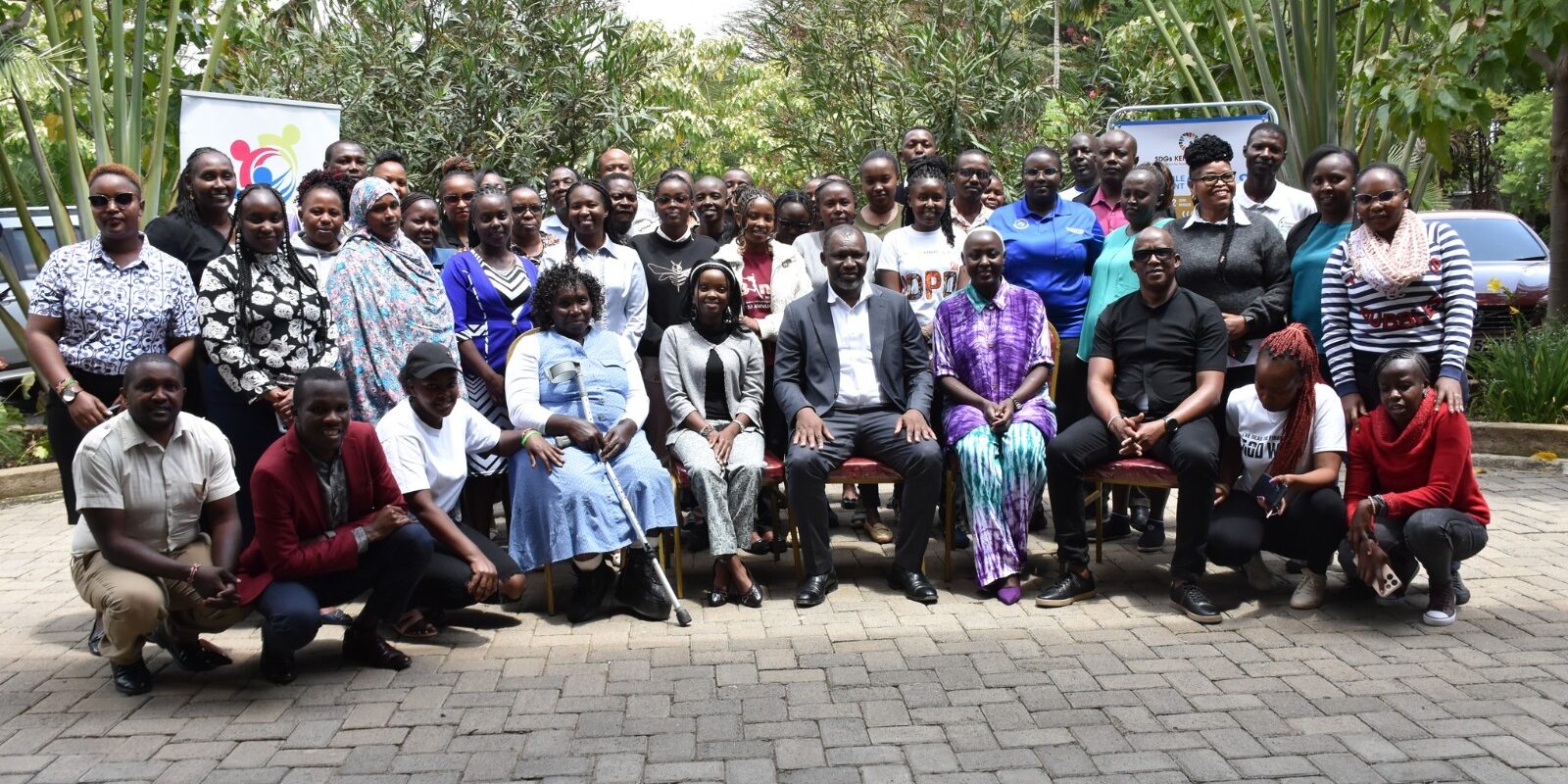
The serene environment and beautiful view of Mount Kenya at Peaks Hotel, Nanyuki, provided a calm and welcoming venue for a three-day Training Workshop and Community Dialogue organized by the SDGs Kenya Forum in collaboration with the Pathways Policy Institute (PPI). LWF participated actively throughout the workshop. Held from 16th to 18th September 2025, the event brought together community members, government officials, CSOs, media representatives, and gender experts to deepen their understanding of the National Care Policy, Women’s Economic Empowerment (WEE), and Women in Leadership (WIL).
John Ochieng’, an expert in public policy, gender, and governance, facilitated the first session by analyzing the draft National Care Policy, which set the tone for the workshop discussions. Citing data from the Kenya National Bureau of Statistics (2021), he highlighted that women spend an average of 3 hours and 36 minutes more per day on unpaid care work than men, a disparity that significantly affects even women in paid employment. Emphasis was placed on recognizing unpaid care and domestic work, a contribution that remains largely invisible and undervalued. Its burden falls disproportionately on women and girls, limiting their opportunities, personal development, leadership, and economic advancement.
The discussion expanded to examine how the draft National Care Policy aligns with SDG 5, Vision 2030, and Kenya’s medium-term development plans. Participants noted the urgent need to value care work, redistribute it more equitably between men and women, and invest in public services and infrastructure to ease the burden of care.
The second day focused on gender-responsive budgeting, using the Laikipia County Integrated Development Plan (2023–2027) as a case study. Participants analyzed how the plan addresses the needs of different groups and whether it ensures equitable resource allocation. The importance of meaningful public participation in the budget-making process was underscored to promote government accountability and ensure development priorities reflect actual community needs.
In the afternoon, Queenter Mbori, Executive Director of the Association of Media Women in Kenya (AMWIK), led a highly engaging session on gender-transformative reporting, citizen journalism, and media advocacy. She demonstrated how storytelling can drive social and policy change and highlighted the role of the media in promoting transparency and accountability in governance.
The final day moved the discussions from the workshop venue into the community through a dialogue session that brought together 80 community members from Juakali and Segera wards in Laikipia North sub-county. The dialogue, held in Juakali, provided participants with a platform to share personal experiences on unpaid care work. Their lived experiences highlighted the daily realities households face and how unpaid care responsibilities affect economic participation, leadership roles, and decision-making opportunities, especially for women. These stories reinforced the understanding that gender inequality can only be addressed by recognizing and valuing care work at the household level and by implementing policies that support sustainable interventions.
LWF remains committed to supporting gender equality initiatives that promote strong and empowered communities across Laikipia.


